Lost Slave Ships Found: A Tale of Rebellion and Ruin
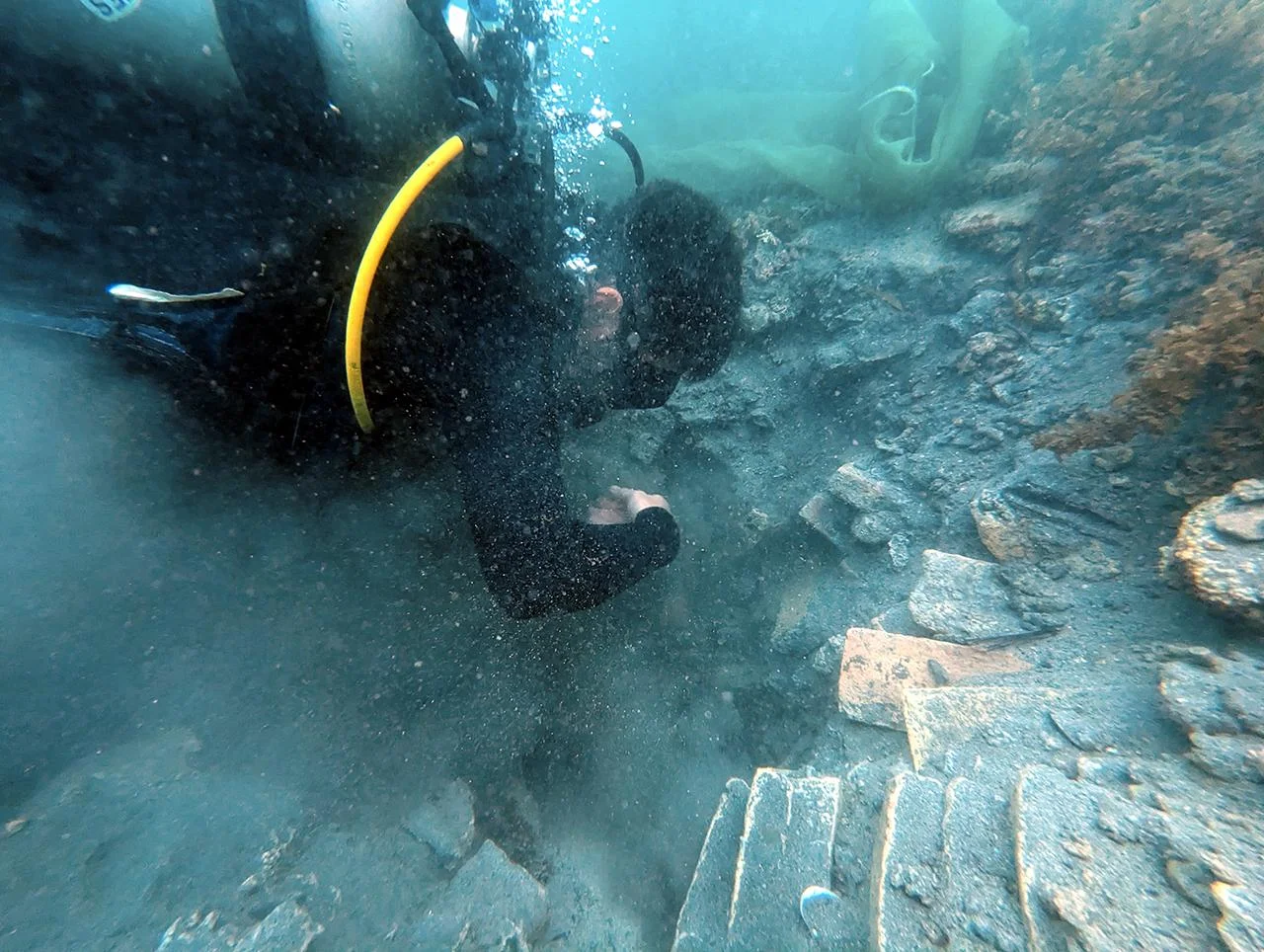
Two shipwrecks off Costa Rica, long thought pirate relics, are now proven Danish slave ships from 1710. Their discovery reshapes colonial history.
1. Why did these shipwrecks haunt Costa Rica’s coast for so long?
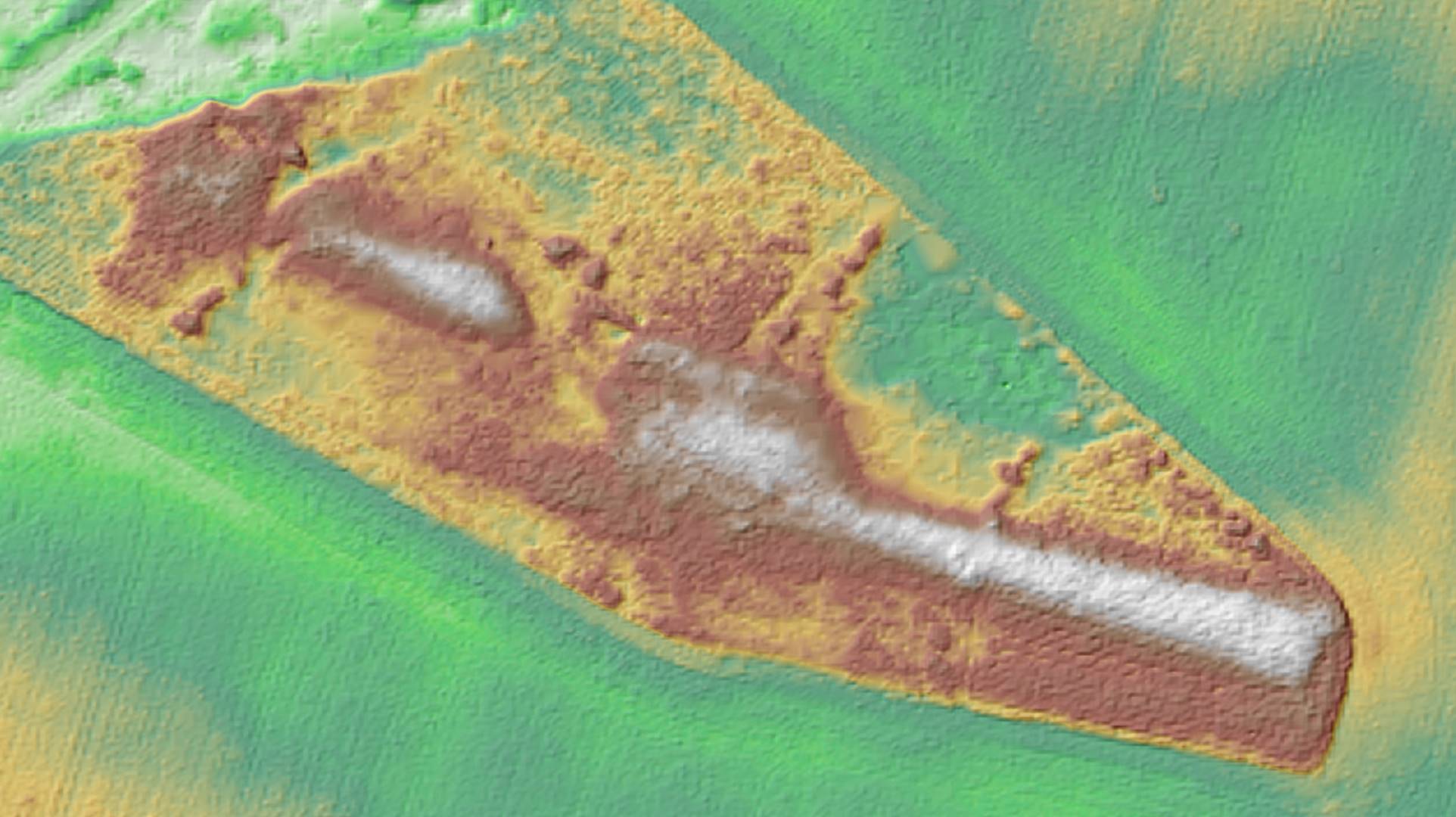
For decades, two shipwrecks near Cahuita National Park baffled researchers. Locals believed they were pirate remains due to their scattered, burned timbers. But it wasn’t until 2023 that marine archaeologists confirmed these were not pirate relics but the Fridericus Quartus and Christianus Quintus—Danish slave ships lost in 1710. The misidentification lingered for over 300 years, veiling a darker, colonial-era truth.
2. What triggered this emotional breakthrough in 2023?
A multinational excavation, led by Denmark’s National Museum and Costa Rican NGOs, unearthed crucial materials—Flensburg bricks, Dutch pipes, Baltic oak timbers. Dendrochronological analysis showed the oak was cut between 1690 and 1695 in Schleswig-Holstein. The timbers were charred, aligning with accounts of Fridericus Quartus being set ablaze. This scientific clarity ended decades of myth and gave voice to a silenced part of Caribbean history.
3. How did historians confirm these were Danish slave ships?
The turning point came with yellow Flensburg bricks found in 2015. These bricks were unique to Danish colonial construction. Clay analysis by Prof. Kaare Rasmussen confirmed their origin near Flensburg Fjord. Combined with scorched wood and Dutch pipe fragments, the wrecks matched records of two Danish West India Company ships that vanished in 1710 while transporting over 600 enslaved Africans from Ghana.
4. What dark tale unfolded aboard Fridericus Quartus in 1710?
While en route to the Danish colony of St. Thomas, Fridericus Quartus suffered a slave rebellion. The uprising failed, and the leader was brutally executed. But fear spread. Christianus Quintus joined its sister ship to prevent further mutiny. Eventually, with food dwindling and morale collapsing, the captains released hundreds of slaves to avoid another revolt. It was a desperate act born of fear and starvation.
Quick Fact Box:
- Location of Discovery: Cahuita National Park, Costa Rica
- Confirmed Year of Sinking: 1710
- No. of Enslaved Africans Aboard: ~600
- Research Team: Denmark–Costa Rica collaboration
- Material Evidence: Baltic oak, Flensburg bricks, Dutch pipes
- Confirmed by: National Museum of Denmark, SDU, Costa Rica’s NGO Dive Centre
- Date of Excavation: 2023
5. Why did these ships meet such a tragic end near Costa Rica?
The voyage turned deadly after weeks at sea. Fridericus Quartus caught fire under mysterious conditions, likely related to unrest or sabotage. Christianus Quintus lost its anchor and was destroyed by rough surf. Around 600 slaves reportedly reached the Costa Rican coast. With no port nearby, survival meant fleeing inland or perishing. This tragedy marks one of Denmark’s darkest maritime chapters.
6. What does this discovery mean for Denmark’s colonial legacy?
Denmark often escapes scrutiny in discussions on colonialism, yet over 120,000 Africans were transported under Danish rule. This find reopens a painful dialogue. “This matters to the local population and Danish history alike,” said Andreas Kallmeyer Bloch. It’s not just about two ships—it’s about facing uncomfortable truths. These wrecks now serve as watery tombs and brutal reminders of colonial exploitation.
7. How have experts and locals reacted to the emotional findings?
David Gregory, a Danish marine archaeologist, stated: “We no longer doubt these were Danish slave ships—the materials and fire damage match perfectly.” Locals, too, feel a sense of vindication and sorrow. The community once called them “pirate ships,” unaware of the suffering they held. Now, there’s talk of creating a memorial site to honor the enslaved people who survived or perished here.
What makes this story a must-read
It uncovers truth, stirs conscience, and humanizes forgotten victims of a tragic voyage buried beneath centuries of silence.
Share this content:










Post Comment