Ancient DNA Reveals Secrets of Early Egyptian Life
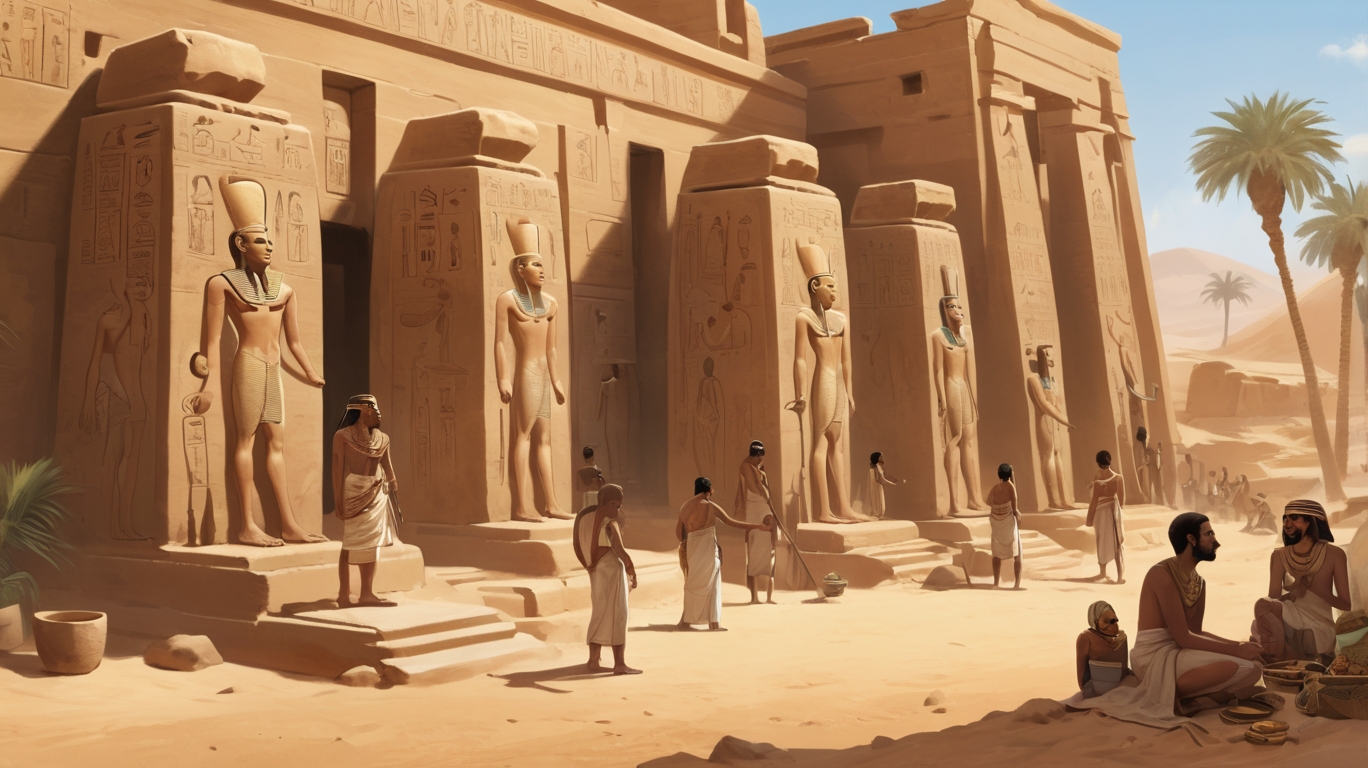
A sealed pot in ancient Egypt preserved a craftsman’s full genome. Scientists decode his story, shedding new light on early Egyptian life and ancestry.
1. Potter’s Tomb: Rare Find
In 1902, archaeologists uncovered a sealed pottery vessel near Nuwayrat, Egypt, hiding a skeleton now proven to be over 4,500 years old. The man’s burial in a rock-cut tomb—rare for commoners—suggests he held special status. The Guardian reports his tomb predates artificial mummification. Radiocarbon dating links him to the early Old Kingdom, a time when pyramid building was just taking off. His bones, museum-preserved since the discovery, miraculously survived WWII bombings that destroyed other remains in Liverpool. Out of thousands of ancient remains globally, this is the first full-genome sequenced Egyptian. It’s not just archaeology; it’s history whispering from a pot.
2. DNA Treasure: Sealed Secrets
Hot desert climates usually destroy DNA, but the sealed pot acted like a time capsule. The man’s genome—decoded at the Francis Crick Institute in London—revealed North African Neolithic ancestry, mixed with 20% genetic influence from the Fertile Crescent. That supports old trade links between the Middle East and Egypt, long debated by archaeologists. “It’s exciting we can get genomes from this time,” said Dr. Pontus Skoglund in Nature. While it’s just one individual, it’s enough to rewrite theories. And to think, a pot saved what mummies couldn’t.
3. Potter’s Life: Written in Bone
Detailed bone analysis shows this man led a life of physical strain. Researchers noticed arthritis across joints and wear on his right foot, suggesting repetitive action. Aged around 60—unusually old for the era—he likely worked while seated, hunched with arms and legs extended. That posture aligns with craftsmen like potters, basket weavers, or ground-level scribes. But tomb paintings and bone wear patterns made potter the strongest match, said Joel Irish from Liverpool John Moores University. His was a body shaped by clay and time.
🔎 Quick Fact Box
- 📍 Burial Site: Nuwayrat, 265 km south of Cairo
- 🧬 First ever full-genome ancient Egyptian decoded
- 🏺 Skeleton found in a sealed pottery coffin, not mummified
- 🧓 Estimated age at death: Around 60 years
- 🌍 Genetic roots: 80% North African, 20% Fertile Crescent
4. Genetic Clues: Ancient Trade
The man’s ancestry offers clear evidence of ancient trade between Egypt and the Middle East. His 20% Fertile Crescent DNA matches historical accounts of potter’s wheels arriving from Mesopotamia around 2500 BCE. Indian Express notes these early imports shaped more than pottery—they laid cultural foundations. His lineage mirrors goods once traded across the Red Sea and Levant. Think: spices, tools, art styles. It’s like finding a thumbprint in clay that proves an old handshake. Science just confirmed what merchants knew millennia ago.
5. Museum Journey: From Dust to Data
After being unearthed, the skeleton traveled from Egypt to Britain, first stored at Liverpool Institute of Archaeology. Later, it moved to the World Museum. During the WWII blitz, nearly all human remains were lost—except this one. That lucky escape let researchers in 2025 extract usable DNA. According to The Hindu, the breakthrough proves how crucial proper storage is. This single skeleton might reshape ancient Egyptian history. A dusty exhibit quietly became a DNA goldmine. Sometimes, survival is its own story.
6. Odd Burial: Respect or Accident?
Being buried inside a pot isn’t standard, especially in a rock-cut tomb. Was this respect or an unusual coincidence? Experts are puzzled. Basket weavers or potters didn’t usually get such graves. But the craftsmanship and sealed setting suggest someone powerful respected him. “Not any old person ends up in a tomb like that,” Joel Irish told The Guardian. The bones say common man, but the tomb whispers VIP. Maybe he wasn’t just any potter—maybe he was legendary.
7. Age of Pyramids: Time Capsule
This man lived just after Egypt unified and entered the Old Kingdom—around the 3rd Dynasty. That’s when Djoser built the first step pyramid at Saqqara. A potter then would’ve supplied jars, urns, or tiles for royal tombs. NewsBytesApp suggests craftspeople of that era held unique roles in court life. This skeleton might not just reflect daily labor but also the grandeur behind the scenes. His life shadows history’s biggest structures—brick by brick, pot by pot.
8. From Clay to Code: Tech Impact
Cutting-edge tech brought ancient clay to the digital age. The Francis Crick team used high-throughput sequencing—normally for medical studies—to decode the genome. The Hindu reported that over 3 billion DNA base pairs were processed, opening a door to health, ancestry, and even disease patterns in early Egyptians. It’s not just about bones. It’s about building a library of ancient life. One day, we might compare our genetics to his with just a cheek swab. That’s the power of mixing old with new.
9. Expanding Mission: What’s Next
Scientists now plan to decode more Egyptian remains from British museum collections. These aren’t just random skeletons—they’re pages in Egypt’s lost diary. NDTV 24×7 confirms that such work could answer big questions: Where did Egyptians come from? How did their genes change over dynasties? What health challenges did they face? The goal is to create a public genetic record of ancient Egypt. Each genome adds a line to history’s long, fading script. And this potter wrote the first word.
10. Lasting Legacy: Why It Matters
This isn’t just science—it’s emotion, identity, and timeless curiosity. From a sealed pot in a dusty tomb, a man’s story now lives in labs and headlines. He wasn’t a king, yet thousands are reading about him 4,500 years later. “Maybe he was a super-good potter and ended up in someone’s favour,” said Joel Irish. That favour reached across millennia. If one humble pot can unlock a nation’s past, imagine what more is waiting. Stay curious—our stories are buried everywhere.
Share this content:









Post Comment