Rediscovery of Apollo Sanctuary in Cyprus Rewrites History
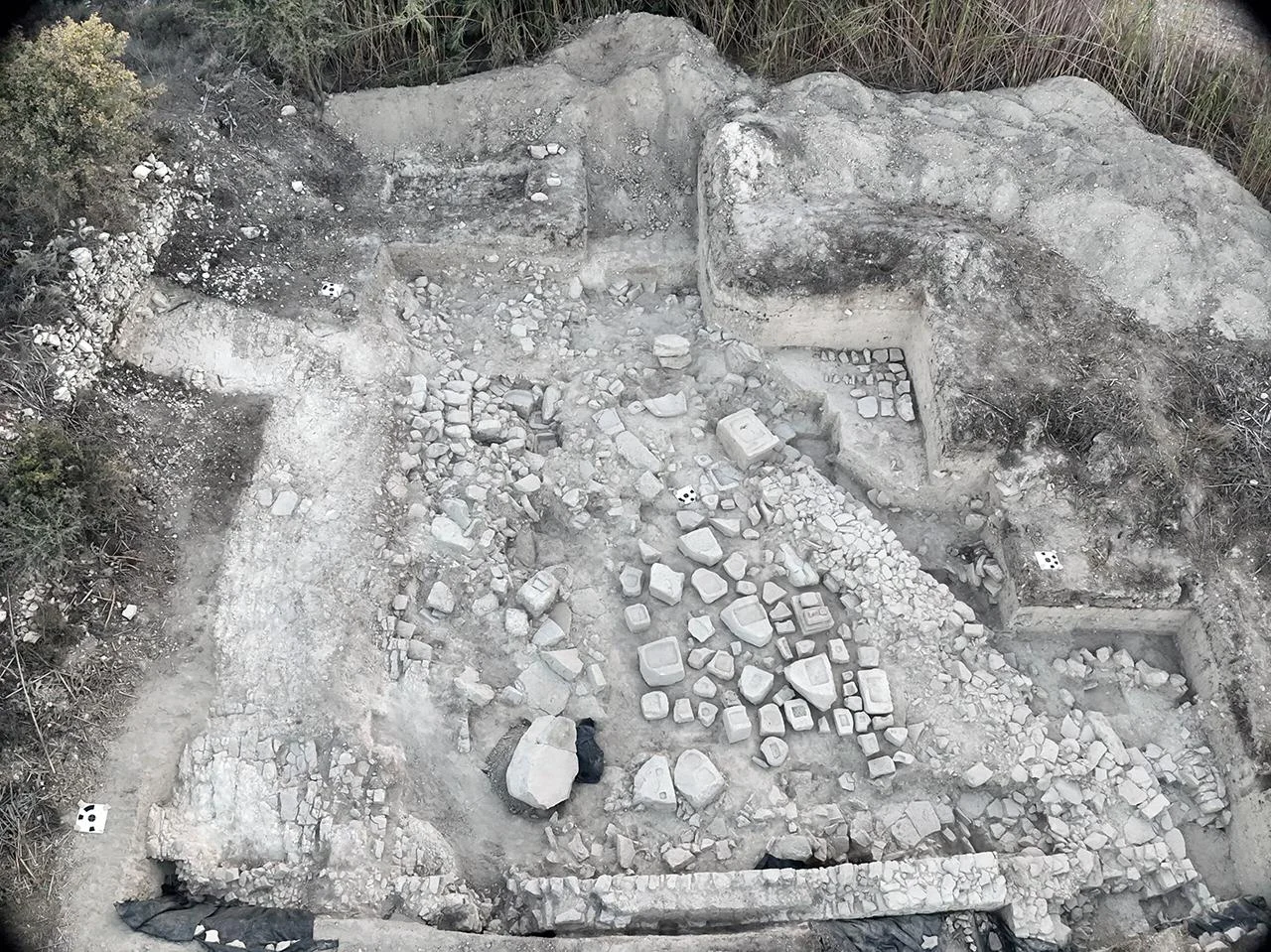
Rediscovery of Apollo Sanctuary; a sanctuary of Apollo lost since 1885 has been rediscovered near Tamassos, Cyprus. This monumental find reveals colossal statues, cultural exchanges, and new insights into Archaic and Hellenistic religious life.
Table of Contents
Toggle1. Why Rediscovery of Apollo Sanctuary Is So Meaningful Today?
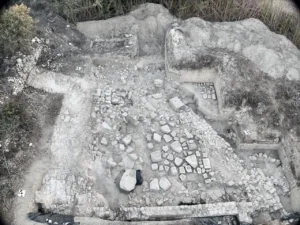
Near the ancient city of Tamassos, Cyprus, archaeologists recently rediscovered the long-lost Apollo sanctuary first excavated in 1885. More than 100 statue bases, many colossal, have been revealed. This once-prominent rural sanctuary had been buried and forgotten until researchers from Frankfurt and Kiel/Würzburg reignited excavations in 2021. Confirmed by the Republic of Cyprus, this find unveils buried spiritual history, reconnecting modern audiences with ancient ritual spaces hidden for over 135 years under layers of time and earth.
2. How Do Forgotten Fragments Reveal a Larger Sculptural Legacy?
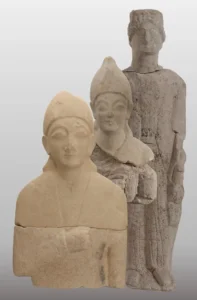
New excavations unearthed limestone statue fragments, including massive male feet from the Archaic period (7th–6th centuries BCE). These remains match incomplete sculptures housed in the Cyprus Museum and Royal Ontario Museum. Over 75% of these pieces were previously undocumented, likely overlooked in the rushed 19th-century dig. According to the Department of Antiquities, their reassembly may restore key figures lost for over a century. This moment offers both scholarly redemption and an emotional link to lost artistic heritage.
3. What Do Egyptian Amulets Say About the Sanctuary’s Global Role?
Discovered votive items include Egyptian faience amulets and marble glass beads—materials sacred in ancient Egyptian rites. At least 40 cross-cultural artifacts confirm the sanctuary’s broader religious and international significance. These finds suggest vibrant exchanges between Cyprus and Egypt during antiquity. The Department of Antiquities validated the materials’ origin and cultural use. These items emotionally symbolize shared faiths across regions and show the sanctuary’s reach far beyond its island location, enriching our view of Mediterranean spiritual connectivity.
📌 Quick Fact Box: Apollo Sanctuary Rediscovery Highlights
- 📍 Location: Frangissa Valley near Pera Orinis, Cyprus
- 🏛️ Original Excavation: 1885 by Max Ohnefalsch-Richter
- 🔍 Rediscovery Led By: Universities of Frankfurt, Kiel, Würzburg (2021–2024)
- 🗿 Statue Fragments Found: 100+ bases and colossal remains
- 🌍 Cultural Links: Egyptian faience, Greek and Cypriot inscriptions
- 🕰️ Dating: Archaic to Hellenistic Period (7th–2nd centuries BCE)
- 📜 Language Evidence: Cypro-Syllabic and Ancient Greek
4. How Do Inscriptions Extend the Sanctuary’s Timeline Across Eras?
Two newly uncovered inscriptions offer rare linguistic clues. One is in Cypro-Syllabic script; the other in Ancient Greek refers to the Ptolemaic rulers of Egypt. These texts confirm the sanctuary’s prolonged use from the 7th century BCE through the Hellenistic era. Verified through comparative epigraphy, they establish over 500 years of continuous religious activity. This connection to both local and imperial cultures illustrates how sacred sites evolved over centuries, becoming emotional anchors across political and linguistic boundaries.
5. What Was the Purpose of the Newly Found Peristyle Courtyard?
Excavators revealed a colonnaded peristyle courtyard adjacent to the votive area. It may have hosted symposia or communal rituals, reflecting Greek traditions of blending worship and intellectual gatherings. Thirty distinct architectural features, including column fragments and drainage systems, support this interpretation. According to Cyprus’s Department of Antiquities, this expansion indicates architectural sophistication and social engagement. Emotionally, this space served as more than a shrine—it was where communities came together to celebrate, reflect, and share in collective memory.
6. Why Was This Site Lost for So Long After Its 1885 Excavation?
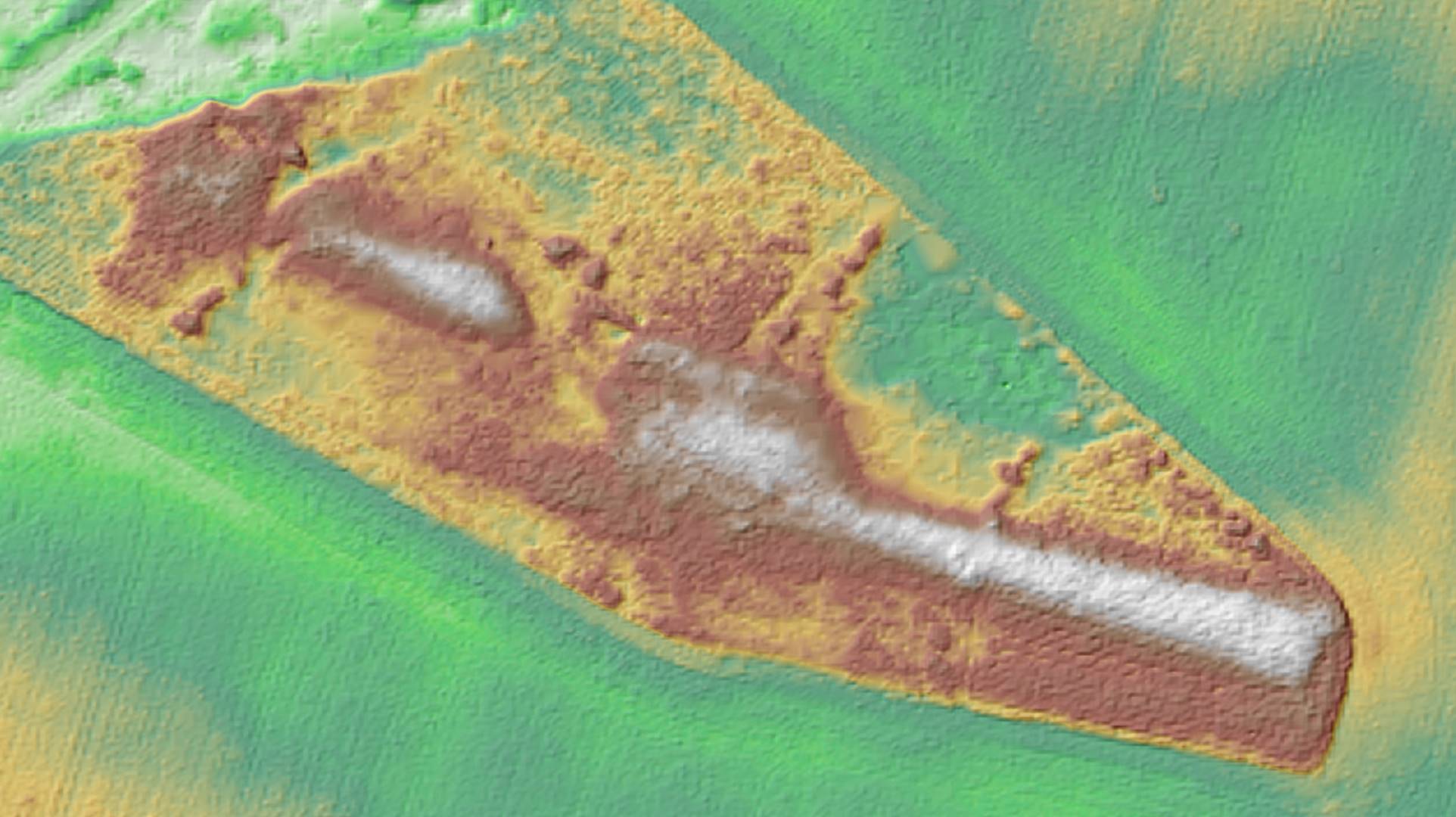
After Max Ohnefalsch-Richter’s initial 1885 dig, the site was backfilled and lost for decades. No formal stratigraphy was preserved, and many fragments were misclassified or ignored. Modern techniques like LIDAR and 3D modeling enabled the recent rediscovery. Nearly 60% of the sanctuary remained undocumented until excavations resumed in 2021. This delay reflects how earlier archaeological haste prioritized spectacle over science. Today’s rediscovery is a cautionary tale—reminding us that emotional reverence and academic rigor must go hand-in-hand.
7. What Do Experts and Museums Say About This Rediscovery?
Matthias Recke noted, “It’s like meeting history face to face.” Co-leader Philipp Kobusch emphasized that reuniting fragments tells stories long silenced. Verified by museum officials and peer-reviewed reports, this discovery bridges scattered finds in Cyprus and Canada. Institutions now collaborate to digitally reconstruct lost statues. Beyond academia, these words express emotional awe—a reverent reunion with heritage long dismissed. This moment underlines how fieldwork, archival records, and global cooperation revive ancient identities and restore shared historical pride.
What makes this story a must-read
This rediscovery weaves together ancient art, cultural exchange, and ritual life. It revives a forgotten sanctuary and connects our present to centuries-old faith, community, and craftsmanship buried for generations.
This article was originally published on Republic of Cyprus.





Post Comment