5500 years old Polish Pyramids Discovered in Western Poland
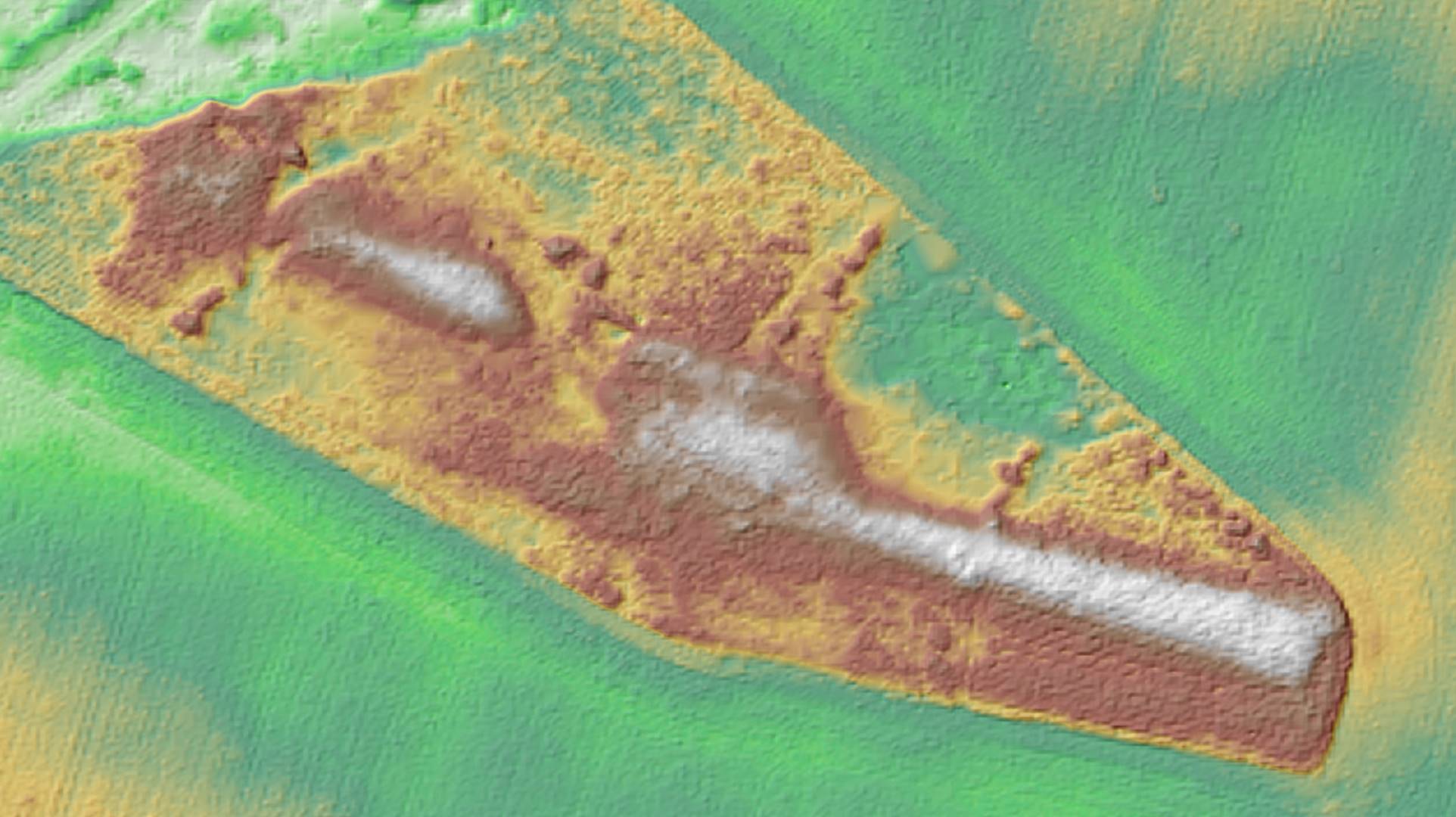
Neolithic 5500 years old Polish pyramids Discovered, reveal farming-era engineering and ritual precision, found in western Poland’s Wielkopolska region.
What’s the story
Unearthing giants of Neolithic Poland
In July 2025, archaeologists from Adam Mickiewicz University in Poznań uncovered two massive 5,500‑year‑old Funnelbeaker Culture tombs near Wyskoć in western Poland’s Wielkopolska province as part of remote sensing surveys and excavations. These megalithic monuments stretch up to 200 m long and stand about four meters tall, earning them nicknames like “giants’ graves” or “Polish pyramids.” Previously only one similar site had been documented here in 2019. The discovery highlights advanced Neolithic skills in ceremonial architecture by early European farming societies. This archaeological milestone, made public July 11, adds remarkable insight into how these communities honored their dead, showing they could organize labor and align structures with cardinal directions. It reshapes how we see Stone‑Age social complexity in Europe.
Megalithic scale
Giant graves tower over Neolithic terrain
The newly discovered tombs reach roughly 200 m in length and soar nearly 4 m high—remarkable for wooden‑tool builders 5,500 years ago. Constructed in a long trapezoid shape with wide eastern façades tapering west, these structures were aligned with the compass—east fronts faced sunrise. Stones weighing up to 10 tons formed external frames. Despite lacking metal tools or beasts of burden, these communities organized manpower and crafted sledges to haul boulders. This reflects remarkable planning and physical coordination. Their geometry—cardinal orientation, tapered design—signals ritual thought, spatial awareness, and profound cultural meaning. That scale and precision in Neolithic Poland demonstrate engineering prowess on par with megaliths across Europe and shift our understanding of Stone‑Age societies.
Stone transport
Low-tech hauling reveals Neolithic grit
Framing these huge graves required moving boulders weighing up to 10 tons without wheeled vehicles. Archaeologists suggest they used wooden sledges, manpower, and possibly rope or logs to shift stones across land and place them precisely. Recent studies of ancient transport methods in Europe confirm sledges remain effective for heavy loads across short distances. The effort needed hundreds of laborers and coordination over weeks or months. That shows these farmers with simple stone tools had social organization to support large teams, planning, and resource allocation—comparable to later Bronze‑Age cultures. It’s clear they valued the dead enough to build monumental architecture. These graves weren’t accidents or quick projects—they were social statements.
🔎 Quick Fact Box
- Age of tombs: ~5,500 years (c. 3500 BCE)
- Length: up to 200 m; height: ~4 m
- Stone weights: up to 10 tons each
- Culture: Funnelbeaker/ Trichterbecher
- Regional finds: 2 in Wielkopolska (one in 2019)
Cultural alignment
Tombs echo celestial precision and belief
The tombs are aligned exactly east-west, likely facing sunrise—meaning builders tracked celestial patterns. Neolithic Europeans elsewhere oriented megaliths to solstices or equinoxes, showing early astronomy. These “Polish pyramids” follow that trend, suggesting ritual significance tied to the sun’s path. Aligning such huge structures required skilled observation and measurement. It implies that early farmers added spiritual or calendrical meaning in their architecture. These aren’t random burials—they’re cosmic monuments from 3500 BCE. That shows humanity in this region thought beyond survival—storytelling, ritual, and timing were core to their lives.
Funerary rituals
Individual tombs reflect elite burials
Though the Funnelbeaker culture lived in egalitarian farming communities, these tombs likely were reserved for important individuals—leaders, shamans, or spiritually significant figures. Each grave probably held a single person, chambered supine with legs extended east, and accompanied by grave goods—such as pottery, stone axes, copper ornaments, or even opium containers. This mirrors funerary practices found at other Neolithic sites like the British Isles or Germany, where high-status burials include offerings. That suggests a belief in afterlife status, and that not everyone received a monumental burial. The tombs show layered social complexity, differentiating status while still belonging to a broadly egalitarian culture.
Artifact insights
Grave goods hint at trade and spirituality
Though skeletons didn’t survive, organic remnants and artifacts may remain. The presence of pottery, tools, copper ornaments, and opium vessels suggests these people valued symbolic items in death. Copper use indicates metal working or long-distance trade around third millennium BCE. Pottery styles match Funnelbeaker traditions found across northern Europe. Opium vessels suggest ritual freed from everyday life—maybe to honor or transport the dead. These artifacts deepen insights into funerary rites, beliefs, and economic reach. They show Neolithic people in Poland connected culturally and materially with wider European networks of farming groups.
Landscape context
Tombs set in park and protected environment
Located in General Dezydery Chłapowski Landscape Park, the site sits within a protected heritage zone in Greater Poland. That conservation status aids preservation and scholarly access. The park contains natural waterways and woodlands which may have held spiritual importance to Neolithic people. Modern excavation teams can survey and operate with minimal disturbance. Public is barred while studies continue, ensuring careful recording. In future, controlled access could allow controlled cultural tourism once structural integrity is ensured. That makes Wyskoć a living classroom for history lovers, geologists, archaeologists, and students curious about Europe’s early farmers.
Regional rarity
Polish pyramids reshape local Stone Age story
Most Funnelbeaker “giants’ graves” in Poland are in the Kuyavian region of northwest, making the Wielkopolska find uniquely important. This is the first such site identified in this province since 2019. That expansion suggests the culture’s reach was wider than previously thought, and perhaps statistic‑heavy—possibly there are 30–50 similar undiscovered sites across central Poland. With consistent orientation and design, these tombs testify to cultural cohesion across distances. They challenge scholars to reassess distribution of Neolithic Europeans, aligning Poland with other regions famed for megaliths. Wyskoć now marks Wielkopolska as a central chapter in Europe’s Stone‑Age story.
Preservation threats
Looting and erosion test tomb endurance
Many stones framing the tombs have moved or disappeared due to centuries of reuse by locals—often taken for churches or field walls. Weather and vegetation growth also threaten fragile earthworks. Head specialist Artur Golis noted heavy degradation over time, largely from human repurposing: he said stones were “quite heavily degraded.” Continued exposure risks further loss of context, artifacts, and structure. Current protection in a Landscape Park helps, but long-term preservation will need protective barriers, soil stabilization, vegetation management, and community awareness. Archaeologists must balance excavation with conservation, planning for slow rehabilitation and eventual public education.
Future discoveries
Survey hints at more hidden tombs
Teams identified five likely tomb locations near Wyskoć via remote sensing—two now confirmed, one excavated so far. That suggests three more could reveal similar structures and rituals. Continued geo-surveys and controlled digs may expand understanding of Neolithic engineering, ritual landscapes, and social complexity. Every new tomb can add data points—dimensions, alignments, artifacts—to map out the full regional network. That in turn helps reconstruct land use—how these people farmed, moved stones, prayed, and attached meaning to the sky. It’s like piecing together a puzzle—and Wyskoć is just the beginning.
Community connections
Modern locals link to ancient builders
Though 5,500 years apart, present-day villagers near Wyskoć share the land with their ancestors. Records show locals reused stones long ago, integrating them into daily life. That blend of memory and practicality also shows living links between people and place. Local educational programs could celebrate that continuity—teaching students about their ancestral landscapes. Museums in Poznań and regional centers could display site maps and artifacts. If opened carefully, the Wyskoć park may soon host school trips teaching Neolithic life and engineering. It’s an emotional bridge—kids learning that they stand where giants once built graves larger than most temples.
Final call
Dig deeper into Poland’s hidden Stone‑Age giants
The Wyskoć finds stand as proof that Europe’s Neolithic farmers built with purpose, knowledge, and care. They moved 10-ton stones, aligned to sunrises, and made tombs up to 200 m long—all without modern tools. As digs continue across three more sites, we could soon reshape what we know about early European societies. “These tombs show Stone Age people were smart, organized, and spiritual,” archaeologist Artur Golis told PAP. For curious Indian readers, it’s a reminder: ancient cultures worldwide shared big hearts and bigger dreams. Let’s support archaeology—visit parks, read papers, and encourage science. These buried giants deserve to be remembered.
Also Read – Ancient DNA Reveals Secrets of Early Egyptian Life
Reference Article at The Complex of Landscape Parks of the Wielkopolska Voivodeship
Share this content:










Post Comment